cropper
update
update
  • Homepage
  • Contact Us
  • All Posts
  • Car Repair
  • Auto Maintenance
  • Winter tire changeover
  • Tire Storage
  • Vehicle Safety Inspection
  • Vehicle Safety Standards Certificate
November 09.2022
3 Minutes Read

Winter Tire Changeover In Aylmer - When Should You Put on Winter Tires & Take Them Off?

When Should You Put on Winter Tires & & Take Them Off?

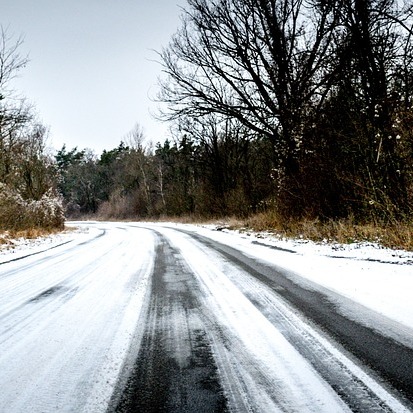
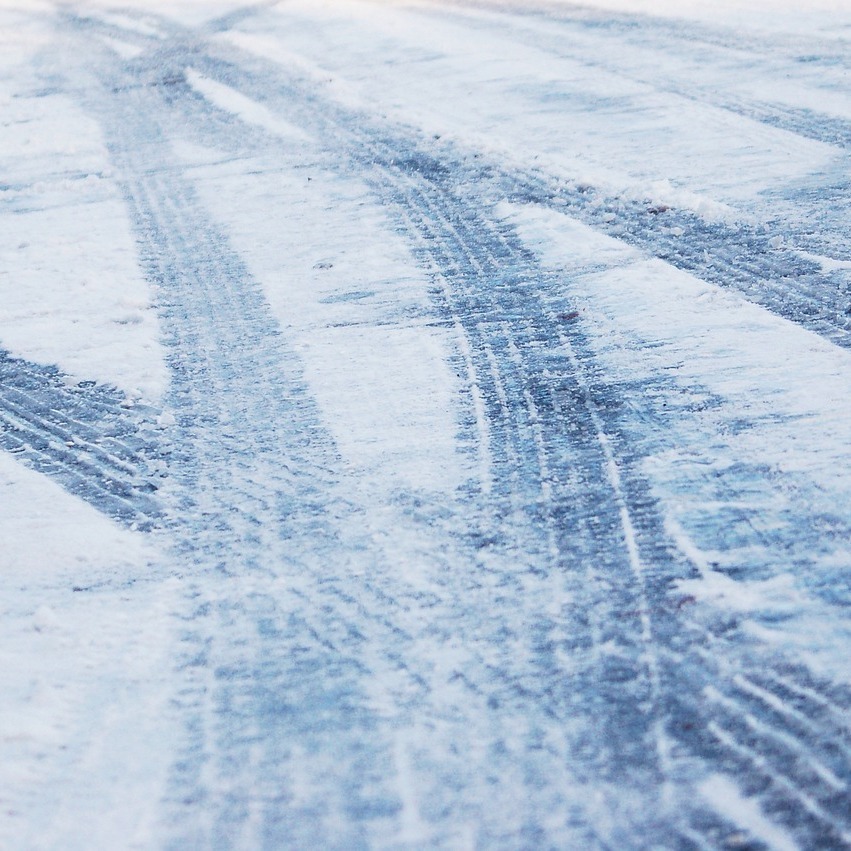
The days are shorter, the air is crisp, and your cars and truck seems like a refrigerator when you turn it on in the morning.  Welcome to another winter in Canada.  Now before you get out on the roadway in that warmed-up vehicle, you need to think about road safety during this longest of seasons. Winter tires are 4 pieces of rubber that not only offer you peace-of-mind but likewise much-needed grip and stability on those snowy, icy roads.


These tires surpass all-weather and all-season tires when temperatures drop listed below 7 degrees Celsius. But does that mean you change over to winter tires the day that mercury strikes 7 degrees? . Knowing when to do your winter tire changeover to winter season tires depends on various factors including temperature and provincial regulations.  Ontario provides a reward to get you driving on winter season tires. This comes through lower insurance premiums.  This could be as much as a 5% reduction in your premium.

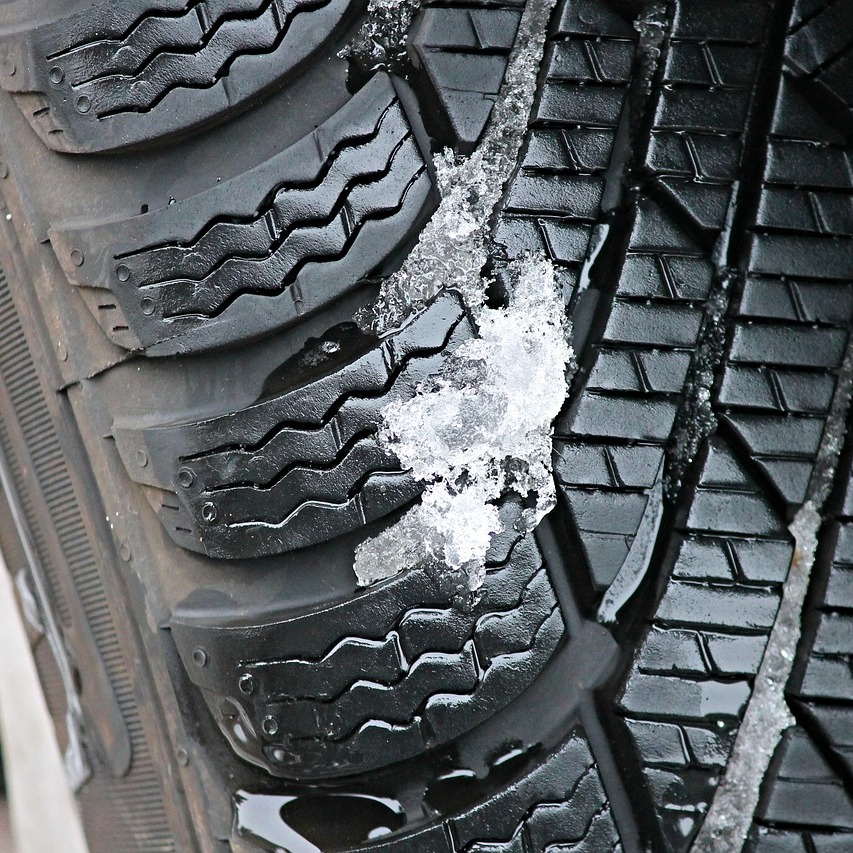
winter tire changeover aylmer

The point when temperatures hit 7 degrees in Ontario varies due to the fact that it's such a big province, but generally, it's from late October to mid-November. 


When do you do your winter tire changeover? 

Driving on winter tires when the thermometer starts to head north can be damaging. Winter tires are created to perform best on ice and snow, not when the asphalt is hot from the sun. It's not only risky, however it will also cost you money because the winter tires will deteriorate much faster. Therefore, it's important to change back to your regular tires at the correct time. .  Utilize the 7 degrees Celsius guideline to know when to change back to standard tires in the spring. If the temperature heads above 7 degrees, go to your automobile expert for a changeover or possibly do it yourself if possible. 


Are all-season tires great for winter? 

Don't let the name confuse you, all-season tires are most ideal for spring, summer season, and fall.

winter tires aylmer

That's why some companies have altered the name to 3-season tires. . For that reason, if you utilize all-season or summer/performance tires, you might want to purchase a good set of winter tires as well. . Another alternative is to acquire all-weather tires, which can be used all year round. All-weather tires also include the Transport Canada-authorized 3-peaked mountain/snowflake (" Alpine") logo design. So, is it more affordable to choose all-weather tires or swap in between a set of winter season tires and all-season tires? . Typically, a set of 4 winter tires will cost you in between $400 and $800. The very same can be stated for a set of all-season tires and a set of all-weather tires.
If all 3 sets cost approximately the very same, you may believe that a set of all-weather tires is the ideal choice given that you'll just have to acquire one set and forget a tire change schedule completely.

winter tire changeover to improve traction

The issue is, considering that you'll be driving with them for all 12 months of the year, all-weather tires have a shorter life expectancy. On the other hand, switching out winter season tires for all-season tires every six months suggests both sets of tires will last a lot longer. So, even though you're spending for 2 sets, you won't have to replace those tires almost as typically!

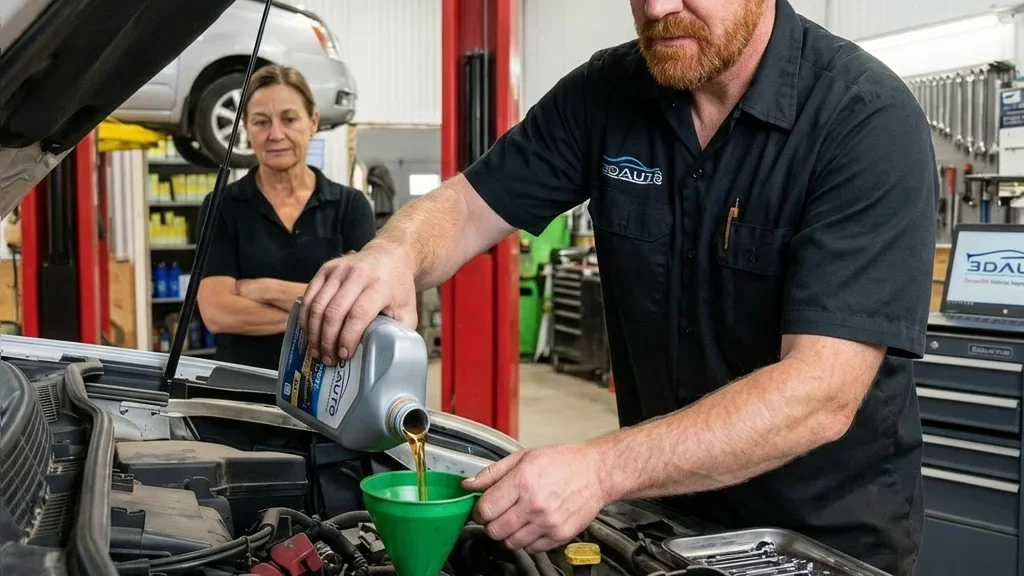
3D Auto will not only do your winter tire changeover in Aylmer for you each season, but they will also store your tires as well which frees up storage space at home.


Click Here To Book An Appointment To Get Your Tires Changed Over And Stored for the season

Car Repair Auto Maintenance Winter tire changeover Tire Storage

369 Views

0 Comments

Write A Comment

*
*
Please complete the captcha to submit your comment.
Related Posts All Posts
07.20.2026

Stop Waiting—Brake Repair Services That Save Lives

Imagine you’re cruising home after a long day when your dashboard’s brake warning light flickers on. Do you keep driving, or pull over and worry? For countless drivers in Aylmer, those moments are real—and your next decision could be life-saving. That’s why learning about reliable brake repair services isn’t just another to-do item. It’s about protecting your family, avoiding hassle, and driving with genuine peace of mind. In this guide, we’ll show how quick, honest brake inspections and repairs from trusted local experts truly make a difference in safety and confidence.Why Timely Brake Repair Services Matter for Every DriverIf there’s one thing every driver should prioritize, it’s the health of their braking system. Skipping regular brake inspection or putting off needed brake repair service can mean more than just annoying noises—it can lead to dangerous situations and much bigger repair bills down the road. Your brakes are your car’s most essential safety system, giving you control to avoid collisions and keep yourself, passengers, and pedestrians out of harm’s way. When brake problems like squeaking, grinding, or a mysterious brake warning light pop up, it’s never wise to “wait and see. ”Timely brake repair services help you catch minor issues before they escalate. Worn brake pads or low brake fluid can quickly turn into compromised stopping power or even brake failure if ignored. Repairs and inspections from experienced, certified technicians not only restore safety, they also prevent costly damage to other parts of your brake system, saving you money in the long run. Simply put, putting off brake repairs doesn’t just risk your wallet—it risks your life and the lives of everyone sharing the road with you.Everyday Signs You Need Brake Repair ServicesKnowing when to seek brake repair services can save you from surprise breakdowns and unnecessary stress. Pay attention to these everyday warning signs. Do you notice an unfamiliar squeaking or grinding when braking? That’s often an early clue your brake pads may be worn down and need expert attention. If your dashboard flashes a brake warning light, don’t ignore it—a sensor has detected a potential issue in your braking system that could affect your safety.Other critical hints include a “spongy” or unresponsive brake pedal, longer stopping distances (especially during sudden stops), or any vibrations and pulsing you feel through the brake pedal. If your car pulls to one side when braking, or if you persistently hear screeching, squealing, or grinding from the wheels, it’s time to schedule an appointment for a professional brake inspection. Acting quickly keeps you safer and helps prevent a manageable issue from turning into a costly or dangerous problem.Squeaking or grinding soundsBrake warning lights appearing on your dashboardLonger stopping distancesVibrations or pulsing in the brake pedalUnusual pulling to one side when brakingFor drivers who manage commercial vehicles or larger fleets, understanding the importance of regular brake inspections is even more critical. You can explore how comprehensive vehicle inspections, such as those required for Ontario’s DriveON program, help keep commercial fleets safe and compliant by reading this guide to DriveON vehicle inspections for commercial fleets.What You'll Learn About Brake Repair Services TodayHow to recognize when you need brake repair servicesWhat’s included in a professional brake inspectionThe difference reliable brake repair services makeWhy Aylmer drivers trust 3D Auto for brake repairsUnderstanding Brake Repair Services: How Does It Work?When you book a brake repair service, you’re not just replacing parts—you’re getting the peace of mind only a thorough, honest inspection can bring. The process starts with a professional brake inspection led by expert technicians who know what to look for, from worn brake pads to any leaks in your brake fluid reservoir. Comprehensive inspections check every key brake component, ensuring every part from the pads to the master cylinder is working as it should, so you don’t leave with any “hidden” dangers still lurking under the surface.Most standard brake services include removal of wheels, detailed examination of brake pads and rotors, checking for brake fluid level and quality, inspecting hydraulic lines, and testing the responsiveness of your brake pedal. If any issue is found—like worn brake pads or low brake fluid—your mechanic will walk you through the findings so you can make an informed decision about necessary repairs. The goal isn’t just to fix a noise—it’s to restore full, confident stopping power, keeping you and your passengers safe at every turn.The Role of Brake Inspection in Effective Brake Repair ServicesThink of a thorough brake inspection as the foundation of all effective brake repair services. Certified technicians begin by checking the thickness and wear pattern of your brake pads—worn brake pads are a common culprit of squealing sounds or reduced stopping capability. They’ll measure your brake fluid, look for contamination, and scan your entire braking system for any leaks or corrosion. This ensures that any issue, from a spongy pedal to persistent dashboard warning lights, gets resolved at the source.A real advantage of professional brake inspections is that they catch hidden problems early—before they become serious safety concerns or result in major repairs. During an inspection, mechanics also verify that every brake component—such as rotors, calipers, and lines—work together smoothly. Whether you notice an obvious brake problem, or just want seasonal peace of mind, a detailed checkup is the first step towards reliable and safe operation of your vehicle.What’s Involved in a Standard Brake Repair Service?A standard brake service covers more than simple part replacements. It’s a full process designed to keep your braking system working at its absolute best. Typically, a mechanic will first remove the wheels to gain clear access to your brake pads and rotors. Worn or uneven pads are replaced, and rotors are either resurfaced or swapped for new ones if needed. The mechanic will then inspect the calipers and brake lines for any signs of wear or leaks—ensuring there’s no hidden issue affecting your ability to stop safely.During every routine brake repair service, your mechanic will also test brake fluid levels and might do a complete flush if the fluid shows signs of moisture or contamination. Finally, every component is reassembled securely, and the full system is tested to confirm everything from pedal responsiveness to warning light accuracy. These checks give you confidence before you leave the shop, knowing your brakes are set to perform when you need them most.Brake Pad and Brake Fluid: Two Essentials in Modern Brake RepairBrake pads and brake fluid are the heart of modern braking systems. The pads are what physically clamp onto your car’s rotors, providing the friction needed to stop your wheels. Over time, even the best brake pads wear down—they become thin and can’t create enough stopping power, leading to longer brake distances or unpleasant noises. Swapping out worn pads for fresh ones is a cornerstone of reliable brake repair services, and it’s a fix you never want to delay.Alongside the pads, brake fluid plays a vital role in every stop you make. This special hydraulic fluid transfers the pressure from your foot on the brake pedal to the actual brakes themselves. If your fluid level drops too low or gets contaminated, your brakes can feel “soft,” and you might not stop in time during an emergency. Regularly checking and replacing your brake fluid during brake repairs or inspections helps guarantee consistent, safe braking—even when conditions change unexpectedly.Watch this walk-through of a community-focused auto shop in Aylmer, Ontario, to see friendly mechanics, the inspection process, and how local expertise brings peace of mind. (Subtitles available. )10 Benefits of Choosing 3D Auto for Brake Repair Services in AylmerHonest quotes and transparent pricingExperienced, trusted local mechanicsPreventive inspections help you avoid big repair billsTop priority on your safety and peace of mindStraightforward repair recommendations (no overselling)State-of-the-art diagnostics and equipmentCertified DriveON Vehicle Inspection CentreConvenient, one-stop shop for all repair servicesWarm, community-focused serviceReliable repairs keep your car performing well"At 3D Auto, we check every detail—because your family’s safety comes first. We treat our customers like neighbours, not numbers." – The 3D Auto TeamSee the brake repair process—from inspection to final test drive—explained through visuals that demystify every step and show the caring, careful approach at 3D Auto.Comparing Brake Repair Service Options: Quick Reference TableService TypeIncluded ComponentsAverage TimeEquipment UsedSafety ChecksService BenefitsStandard Brake InspectionBrake pads, rotors, fluid, lines30–45 minVisual, diagnostic toolsBasic checks for wear/leaksQuick assessment, early problem detectionFull Brake Repair ServicePads, rotors, fluid flush60–90 minAdvanced diagnostic tools, liftsFull-system test, on-road testRestores full stopping power, long-term safetyDriveON Certified InspectionAll brakes, safety systems90+ minSpecialty inspection toolsProvincial compliance checksMeets Ontario safety standardsBrake Repair Services: Frequently Asked Questions (FAQs)How important is regular brake inspection?Regular brake inspection is crucial because it helps catch small problems—like worn brake pads, low brake fluid, or leaks—before they become serious hazards. By making brake checks part of your routine (ideally every oil change or at least annually), you ensure that your braking system is always ready when you need it most, giving you real peace of mind.How do I know when I need brake repair services?Watch out for signs like squealing, grinding, longer stopping distances, pulsing brake pedals, or dashboard warning lights. If you notice any of these, or your brakes feel different than usual, don’t put off a professional brake inspection—it’s the safest way to know exactly what’s going on and avoid bigger repair bills or safety risks.Are all brake repair services the same?Not all brake repair services are created equal. Trusting a certified, community-focused shop like 3D Auto means you’ll benefit from honest advice, quality parts, and skilled mechanics who put your safety first—never overselling or suggesting unnecessary repairs.People Also Ask: How Much Does a Brake Job Cost on Average?Understanding the Average Cost of Brake Repair ServicesThe cost of a brake job can vary depending on your vehicle, the type of parts needed (ceramic vs. metallic brake pads, for example), and the extent of repairs. Typically, a standard brake repair service includes replacing brake pads and possibly resurfacing or replacing rotors, along with a brake fluid check. Some vehicles may need additional work if there’s significant wear or hidden damage. At 3D Auto, you always get honest, transparent pricing and an upfront quote—so there are no surprises, only straightforward, reliable service aligned with your vehicle’s needs.People Also Ask: How Much Do Brake Pads Cost for a Mazda CX-5?Mazda CX-5 Brake Repair Services and Brake Pad Cost OverviewFor a Mazda CX-5, the cost to replace brake pads can depend on your choice of pads and any additional brake repairs your car might need. Some models require specialized pads or hardware, while others use more common components. A thorough brake inspection at 3D Auto ensures you get the right parts for your Mazda—never more, never less—with a clear, honest estimate before any work begins. This way, you can drive away with full confidence in your brakes and your budget.People Also Ask: How Much Are a VW Polo Brake Pads?VW Polo Brake Pads: What to Expect with Brake Repair ServicesThe VW Polo, like most vehicles, benefits from brake pads that are regularly checked and replaced as needed. Prices can vary by brand and quality, but at 3D Auto, you’ll get recommendations tailored to your driving needs—ensuring safe, quiet, and effective braking. Transparent service means you always know what’s being used and why, so there are no surprises and your Polo stays reliable and safe.People Also Ask: How Long Do Lexus RX 350 Brakes Last?Brake Repair Services for Lexus RX 350: Expected Lifespan and Service IntervalsLexus RX 350 brakes generally last between 40,000 and 70,000 kilometres, depending on driving habits and conditions. However, factors like frequent stop-and-go traffic or heavy loads can shorten this lifespan. Regular brake inspections at 3D Auto keep you ahead of wear and help determine the best time for replacement, ensuring continuous, safe braking performance year after year.Key Takeaways: Why Local, Trustworthy Brake Repair Services Make All the DifferenceFast, skilled brake repair can save livesPreventive inspections help prevent major breakdownsChoosing a community-focused repair service brings peace of mind3D Auto is known for reliability, expertise, and honest serviceReady for Reliable Brake Repair Services?Keep your car safe and ready for the road—call 3D Auto in Aylmer at 519-641-2882 and let our caring local mechanics take care of your brake repair services today. Drive with confidence, knowing you’re in great hands.Conclusion: Your safety and your family’s well-being depend on the health of your brakes. Don’t compromise—trust 3D Auto in Aylmer for honest, expert, and community-driven brake repair services every time.If you’re interested in taking your vehicle safety and compliance to the next level, especially for commercial or fleet vehicles, consider learning more about the broader advantages of certified inspections. Discover how Ontario’s DriveON vehicle inspection program can help your business maintain top safety standards, reduce downtime, and ensure every vehicle in your fleet is road-ready. For a deeper dive into the benefits and requirements of these inspections, visit the comprehensive overview on DriveON vehicle inspections for commercial fleets in Ontario. Expanding your knowledge in this area can empower you to make smarter, safer decisions for every vehicle you manage.

07.13.2026

How to Get Your Auto Safety Certificate Fast and Easy

Imagine you’ve found the perfect vehicle upgrade, or you’re all set to sell your trusty car—but there’s one thing left before you can hit the road or close the deal: your auto safety certificate. For many Ontarians, this final step can feel overwhelming or confusing. But what if getting your auto safety certificate could be fast, easy, and give you genuine peace of mind? Whether you’re a daily commuter, a weekend adventurer, or a parent shuttling kids to school and practice, having a vehicle safety inspection done right can make all the difference for your family's safety and your own confidence every time you turn the key.Why an Auto Safety Certificate Matters: Everyday Peace of MindAn auto safety certificate isn’t just a piece of paper or a bureaucratic box to check. It’s your assurance that your motor vehicle meets or exceeds Ontario’s safety standards, keeping your loved ones—and everyone else on the road—safe from unexpected hazards. Think of it as a regular check-in for your car’s health: identifying cracks, leaks, or worn parts before they become dangerous or expensive problems. For most people, a reliable vehicle means getting to work, running errands, or hitting weekend events without worry. That’s why staying up-to-date with your safety inspection is important, not just to comply with the inspection program or licensing requirements, but for your own daily comfort and peace of mind.Community matters here in Aylmer. When you choose a trusted inspection station or certified local shop, you know your vehicle safety isn’t left to chance. The safety certification process helps protect families, reduce breakdowns, and uphold the trustworthy reputation of Ontario’s roads. That’s everyday peace of mind you can count on, rooted in honest, local service.Staying Safe and Legal: The Real-World Impact of Your Auto Safety CertificateGetting your auto safety certificate means your vehicle passes a detailed checklist of minimum safety standards. This isn’t just about avoiding tickets—it’s about catching hidden problems before they lead to accidents or costly repairs. For instance, small issues like worn brake pads or a dashboard light can gradually become big risks. When you follow the safety inspection program rules, you help keep the whole community safer and more secure on the roads.An up-to-date auto safety certificate also simplifies life if you’re buying, selling, or transferring a vehicle. Without it, you may face delays with insurance, registration, or even the simple act to drive the vehicle legally. Inspections ensure everything from brake performance to exhaust emissions is checked with modern equipment—so you won’t be caught off guard by surprise issues. Ultimately, this certificate is an investment in your peace of mind, knowing your vehicle will meet provincial requirements and keep your routine, your family, and your future free from surprise setbacks.If you manage multiple vehicles or operate a business fleet, understanding the broader benefits of regular inspections can be a game-changer. For a deeper look at how DriveON vehicle inspections support commercial fleets and ensure compliance across Ontario, explore the advantages of DriveON inspections for commercial operators and discover practical strategies for keeping every vehicle road-ready.What You'll Learn About Auto Safety CertificatesThe step-by-step process for obtaining an auto safety certificateKey safety inspection requirements and criteriaHelpful tips to speed up your vehicle inspection and certificationThe benefits of choosing a trusted DriveON Vehicle Inspection Centre in AylmerAnswers to common questions about safety inspection, certification, and standardsUnderstanding Auto Safety Certificates and Safety Inspection StandardsWhat Is an Auto Safety Certificate?An auto safety certificate is an official document, issued by a certified vehicle inspection centre, that confirms your passenger car or truck meets all the minimum safety standards set by Ontario’s Ministry of Transportation. It’s often needed when you’re selling a vehicle, transferring ownership, or registering an out-of-province car. It also assures buyers, sellers, and insurers that your vehicle has passed a thorough safety inspection, focused on critical safety areas—like brakes, steering, lights, and structure.This certificate is more than a stamp of approval—it’s proof that your motor vehicle, whether a daily commuter or family SUV, is roadworthy and safe in the eyes of Ontario’s inspection program. The process helps catch potential issues before they become big (and costly), and it’s often a legal requirement before any major change of ownership or use. So, when someone asks about vehicle safety or safety certification, this is the document that brings real-world assurance.How a Vehicle Inspection Ensures Safety and ComplianceA professional vehicle safety inspection covers far more than a quick look under the hood. Certified inspectors use a detailed checklist—often guided by the province’s inspection manual—to verify that every part of your motor vehicle meets or exceeds safety standards. This includes systems you may not always think about, like suspension, steering, or emissions controls. If your vehicle passes all these checks, it proves your car is less likely to experience sudden breakdowns or cause a road incident.The goal here goes beyond legal compliance. A careful vehicle inspection gives you the peace of knowing your vehicle meets critical safety requirements, so you can drive confidently, protect your investment, and support a safer driving community. Regular inspections also help you stay ahead of maintenance issues, saving money, time, and unexpected stress.Ontario's Safety Standards: What Does a Safety Inspection Cover?Ontario’s safety standards lay out strict guidelines for what a certified technician must inspect. These safety inspection requirements are designed to ensure all vehicles, regardless of their age or use, meet an established level of safety for everyone on the road. From brakes and tires to electrical systems and structural integrity, each item is essential. The inspection program targets key risk areas, helping drivers avoid preventable accidents or equipment failures.If your gross vehicle weight rating, body, or essential components fall short, you’ll need to address these issues before obtaining your inspection certificate. The result? A simple, honest way to make sure every car, truck, or passenger car on Aylmer’s roads can meet the needs of safe, dependable daily driving.Step-by-Step Guide: How to Get Your Auto Safety CertificatePreparing Your Vehicle for a Safety InspectionProper preparation is the key to a smooth safety inspection and a quick path to your auto safety certificate. By understanding and acting on the process ahead of time, you’ll save time, money, and hassle—ensuring that your vehicle passes on the first try.Review Ontario’s safety certification checklistsCheck lights, brakes, tires, and fluid levelsAddress warning lights and recent repairsClean your vehicle before taking it for inspectionBring all necessary documents (ownership, ID, previous certificate if applicable)Before heading to your appointment, review the official inspection manual or checklist provided by the Ministry of Transportation. Inspect your car for obvious issues—malfunctioning lights, uneven tire wear, or dashboard warning icons—and take a quick look for leaks or visible damage. Even cleaning the car inside and out ensures inspectors can easily check belts, seats, and frames. Bring all essential paperwork: proof of ownership, identification, and any prior inspection certificate if you've had work done before. Lining these up in advance is the best way to avoid delays or unnecessary stress at the inspection station.Booking Your Vehicle Safety Inspection at a DriveON Centre“You save time and gain peace of mind when you choose a certified DriveON Vehicle Inspection Centre like 3D Auto – the process is designed with your busy schedule and safety in mind.”Booking your vehicle safety inspection at a trusted DriveON Vehicle Inspection Centre—like 3D Auto in Aylmer—means you’re working with certified, community-focused professionals who know the local inspection standards inside and out. Simply call ahead or book online, and clearly communicate your needs (transfer of ownership, annual check, or post-repair inspection). Expect a warm welcome and an honest conversation about your car’s history and what the inspection will involve.These certified centres offer more than a quick check—they provide practical advice, answer your questions in plain language, and use modern tools to identify problems accurately. You’ll benefit from a clear explanation of the inspection rules and next steps, ensuring the whole process remains as straightforward as possible for your busy life.What Inspectors Look for During a Safety InspectionDuring the safety inspection, certified inspectors go beyond a visual check—they put your vehicle through an organized checklist that ensures every critical system meets safety standards. The focus is on wear and tear, performance, and the integrity of major systems. They’ll test the brakes, examine the steering and suspension, measure tire tread, and check every major lighting and electrical component. Rust, leaks, or structural issues are carefully documented, and glass or mirror defects are called out, as even small chips or cracks pose big risks when you’re on the move.Here’s a quick reference for the most common inspection criteria your vehicle must meet during an Ontario safety inspection:Key Vehicle Safety Inspection CriteriaComponentWhat is CheckedBrakesWear, performance, and fluid leaksSteering/SuspensionBall joints, tie rods, shocks/strutsTires/WheelsTread depth, pressure, and damageLights/ElectricalFunctioning headlights, signals, brake lightsBody/ChassisRust and structural integrityExhaust SystemLeaks and emissions faultsGlass and MirrorsCracks, chips, and visibility issuesAfter the Safety Inspection: Issuing the Inspection CertificateOnce your motor vehicle inspection is complete, the shop will issue your official inspection certificate—if your vehicle meets all safety standard criteria. If minor issues are found, you’ll get a clear list of what needs to be fixed. After repairs, a follow-up check can quickly confirm compliance and get your certificate issued. This process makes transferring ownership, licensing, or registering your car smooth and stress-free, as you’ll have all paperwork ready for the Ministry or buyer.Having this certificate is more than a legal requirement—it also means your vehicle has been brought up to the right minimum safety expectations. A trusted, community-driven garage will explain findings in plain terms, help you prioritize repairs, and avoid overspending on things your vehicle doesn’t really need.How to Make Sure You Pass Your Vehicle Safety Inspection the First TimeKeep maintenance up-to-dateAddress dashboard warning lightsCheck wipers, horn, and seatbeltsLook for visible leaks and worn partsDon’t ignore minor issues—they often cause inspection failuresThe best way to breeze through your vehicle safety inspection is by keeping up regular maintenance. Take dashboard warnings seriously—a glowing light likely means something needs attention before the inspection. Wipers, horn, seatbelts, and emergency brake should all function properly, as these smaller faults are top reasons vehicles fail their safety inspection. Also check the basics: tire tread depth, obvious leaks, and damaged or loose parts. If you spot a problem, address it early to avoid costly re-inspections later.Remember, reputable shops will never pressure you to pay for unnecessary repairs—they’ll explain exactly where your vehicle meets the minimum safety standards and where a fix is genuinely needed. By taking small steps before your appointment, you make passing your inspection smoother and less stressful for everyone involved.Top Benefits of Getting Your Auto Safety Certificate at 3D Auto in AylmerHonest, upfront quotes and a no-pressure experienceInspections and repairs from experienced local mechanicsRepairs recommended only when truly neededModern diagnostic equipment for accurate assessmentsPreventive care protects your vehicle and your budgetOne-stop vehicle care right in your communityFriendly, respectful service focused on long-term trustCertified DriveON Vehicle Inspection Centre statusConvenience and peace of mind for commuters and busy familiesReliable repairs to keep your vehicle road-readyChoosing 3D Auto in Aylmer for your auto safety certificate comes with real, practical benefits tailored for busy families and hardworking locals. You get transparent, honest quotes and up-to-date, community-driven service from a team with more than two decades of hands-on experience. Every safety inspection or repair is performed using modern tools—no guesswork, just clear facts about your motor vehicle. This means you catch small problems before they become expensive—the heart of great, preventive vehicle care.The shop’s certified DriveON Vehicle Inspection Centre status ensures compliance with all provincial safety standards, so you can drive worry-free. You’ll be treated as more than a customer—you’ll be known as a valued neighbour, with advice and support focused on building trust for the long haul. For Aylmer drivers, this blend of expertise, transparency, and hometown care offers not just safe vehicles, but true peace of mind.People Also Ask: Quick Answers About Auto Safety CertificatesHow much does a safety inspection cost for a car?AnswerThe cost of a safety inspection typically depends on your vehicle’s make, model, and local shop rates. It’s best to contact your local inspection station, such as a certified DriveON inspection centre, to get a clear, upfront quote for your specific motor vehicle. Keep in mind that a quality inspection is a worthwhile investment in your family's safety and helps ensure your vehicle meets all legal requirements for Ontario roads.How do you qualify for safety inspection in NC?AnswerTo qualify for a safety inspection in North Carolina, your vehicle must be registered in the state and meet all relevant inspection requirements based on its type, age, and weight rating. Most passenger cars and light trucks need an annual inspection that covers lights, brakes, tires, emissions, and other critical components. Always consult the NC Department of Transportation’s official website for additional information or specifics about out-of-state vehicles and changing requirements.Can I do a safety inspection myself?AnswerNo, you can’t issue an official auto safety certificate for your own vehicle in Ontario or most other provinces. All legal inspection certification must be performed by a certified, licensed technician at an authorized inspection station. However, you can do a pre-check yourself to spot common issues—like lights, brakes, or warning signals—to boost your chances of passing on the first try.FAQs: Auto Safety Certificate and Safety Inspection StandardsHow long is an auto safety certificate valid?In Ontario, an auto safety certificate is valid for 36 days from the date of issue. This short window ensures inspections reflect your vehicle’s current condition at the time of sale or registration.What happens if my vehicle fails the safety inspection?If your motor vehicle fails the safety inspection, you’ll receive a detailed list of issues. Complete the needed repairs and return to the inspection station for a follow-up inspection and approval.Can I transfer an inspection certificate?No, inspection certificates are not transferable and are tied to the specific vehicle and inspection date. Always get a new certificate if required for sale or registration.Do all vehicles need a safety inspection before sale?Most vehicles, especially those changing ownership, must pass a safety inspection and hold a valid certificate before title or registration can transfer. There are some exceptions for new vehicles or those under set weight ratings.How can I speed up the safety inspection process?Prep your vehicle by addressing warning lights, obvious issues, and keeping paperwork organized. Book with a trusted, certified shop and ask questions so you know exactly what’s expected for your vehicle’s safety standards.Key Takeaways for a Stress-Free Auto Safety Certificate ExperiencePrepare your car and documents ahead of your safety inspectionChoose a reputable, certified vehicle inspection centre like 3D AutoAsk questions and seek clarity if unsure about any safety certification criteriaKeep up with regular maintenance to avoid surprisesRely on honest local service for your safety inspection and vehicle care needsReady for a Fast, Hassle-Free Auto Safety Certificate?Get the peace of mind you deserve. Contact 3D Auto in Aylmer, Ontario at 519-641-2882 to book your inspection and drive with confidence – your safety and trust are always our top priority!ConclusionDon’t leave your safety or peace of mind up to chance—prepare early, work with a certified local inspection centre, and get your auto safety certificate done right. For straightforward advice and genuine care, contact 3D Auto in Aylmer at 519-641-2882—your trusted neighbours in keeping you safe and confident on the road.If you’re interested in taking your vehicle safety knowledge even further, consider how comprehensive inspection programs can benefit not just individual drivers but entire organizations. Discover how Ontario’s DriveON initiative is transforming fleet safety, compliance, and operational efficiency for commercial vehicles by reading Unlocking the Benefits of DriveON Vehicle Inspections for Commercial Fleets in Ontario. Whether you manage a single car or a growing fleet, understanding these advanced strategies can help you stay ahead of regulations, reduce downtime, and keep every vehicle on the road performing at its best.


06.08.2026

Expert Insights on Seasonal Tire Changeover and Winter Tire Storage Services in Aylmer

For every vehicle owner in Aylmer—whether you manage a fleet, run a dealership, or simply care for your personal car—the issue of tire changeover in Aylmer is more than a seasonal chore: it’s a vital part of keeping your vehicles safe, efficient, and roadworthy all year long. As changing seasons bring unique challenges for tires, the expertise of a veteran automotive leader is indispensable. Frank Wiebe, owner of 3D Auto and a central figure in Aylmer’s car care community for over 22 years, unpacks the essential strategies, common mistakes, and actionable tips to ensure your investment in tires delivers on both performance and longevity. Why Timely Tire Changeover in Aylmer is Critical for Safety and Performance The most frequent—and potentially costly—error Frank Wiebe observes isn’t about the choice of tire brand or even installation technique; it’s about timing. According to Frank, hesitation or delay in your seasonal tire changeover can compromise critical aspects of your vehicle’s performance and put safety at risk. Many drivers, including busy fleet managers and individual owners, underestimate how quickly weather changes affect rubber compounds and traction. This oversight doesn’t just lower safety; it reduces tire lifespan and raises the prospect of preventable accidents or breakdowns. A timely tire changeover isn’t only about responding to snow or the first sunny day. As Frank emphasizes, the transition window is brief and crucial in our Ontario climate. “The most common mistake is that they wait too long to change them. ” – Frank Wiebe, 3D Auto. Every week of procrastination can amplify wear, decrease grip, and ultimately drive up your long-term vehicle costs. This is why leading inspection centers like 3D Auto advocate for proactive scheduling—ensuring your tires are optimized for the specific conditions before temperature swings catch you off guard. The Science Behind Seasonal Tires: How Compound Differences Impact Driving Safety Understanding the core science behind tire compounds dramatically shifts how we view scheduling a tire changeover in Aylmer. As Frank explains, tire rubber behaves differently depending on the season: “Summer tires get too hard and slippery in winter, while winter tires get too soft in summer, accelerating wear. ” – Frank Wiebe. That means a late winter-to-summer swap can leave you with unresponsive, worn-out tires when you need traction the most. Conversely, using summer tires into the early winter months sacrifices the grip required for cold and slippery conditions. For those interested in a more hands-on approach to vehicle safety, understanding the broader inspection process can be invaluable. The DriveON Vehicle Safety Inspection Program, for example, offers a comprehensive look at how certified centers like 3D Auto ensure every aspect of your car meets Ontario’s rigorous standards, complementing your seasonal tire changeover efforts. Learn more about the DriveON Vehicle Safety Inspection Program and its impact on auto safety. Frank’s perspective is rooted in deep technical experience: winter tires are engineered with a softer compound and distinctive tread design to maintain flexibility and grip as temperatures drop. On the flip side, summer tire compounds are designed for higher-temperature performance and firmer handling. This scientific distinction is not just an academic detail—it translates directly to safer stops, better fuel efficiency, and preserved tread life. For business operators or anyone responsible for road safety, overlooking this science can mean the difference between a smooth season and an avoidable incident. The Overlooked Essentials of Winter Tire Storage to Prolong Tire Life All the benefits of a timely tire changeover can be undone by mishandling your off-season tires. According to Frank Wiebe, tire storage is where many diligent owners unintentionally undermine their investment. Whether you’re storing tires for a fleet, dealership, or your own vehicle, it’s not enough to simply ‘put them away. ’ Environmental exposure—especially sun, moisture, and temperature fluctuations—can rapidly degrade compounds and structures, rendering even new tires unsafe for a following season. Frank doesn’t mince words when describing the consequences: “Storing tires outside without protection causes corrosion, sun damage, and premature deterioration. ” – Frank Wiebe. He’s witnessed tires ruined by sunbaking, corroded rims from ground moisture, and cracking caused by poor airflow. Such preventable mistakes can result in hundreds, if not thousands, of dollars in unexpected tire replacements. Best Practices for Storing Winter Tires in Aylmer’s Climate The difference between tires that last and those that fail often comes down to storage details. Drawing on decades of in-shop experience and local climate realities, Frank recommends a series of best practices designed to prevent premature tire deterioration and safeguard your long-term investment: Store tires in a cool, dry, and shaded area to prevent sun damage Keep tires off the ground to avoid moisture and rust on rims Use tire bags or covers to protect from dust and elements Avoid stacking tires to maintain shape and prevent deformation According to Frank Wiebe, adherence to these straightforward steps pays remarkable dividends. Proper storage ensures your next tire changeover in Aylmer begins with tires that are structurally sound, free of dry rot and corrosion, and ready for safe, reliable performance—a non-negotiable for business operators with strict safety standards and inspection schedules. Saving Time and Effort: How Professional Tire Changeover Services Enhance Convenience As modern vehicles grow heavier and more complex, the convenience of expert tire changeover in Aylmer is no longer just a luxury—it’s a strategic advantage for organizations and individuals alike. Frank Wiebe recognizes that while some car owners can manage at-home swaps, this often comes at the cost of time, safety, and unnecessary effort. For fleet managers, government procurement officers, and busy families, the true value proposition is in streamlined, professional management of this annual ritual. “It’s not absolutely necessary to do, but it sure makes your life a lot easier. ” – Frank Wiebe. What Frank notes here is more than just convenience; it’s about lowering stress, reducing risk, and freeing up resources to focus on what matters most—whether that’s keeping a delivery fleet on the road or simply having one less seasonal headache at home. Benefits of Outsourcing Tire Changeover and Storage for Fleet Managers and Vehicle Owners Frank Wiebe’s approach to tire changeover in Aylmer reflects deep respect for both safety and practicality. Here’s how professional services transform the experience for commercial and personal clients: Avoid heavy lifting and hauling tires up/down stairs or garages Reduce risk of injury or damage to tires through improper handling Ensure correct installation and pressure adjustments by experts Gain peace of mind with professional assessment for tire condition When you leverage expert mechanics at 3D Auto, you’re not only speeding up the process but also relying on rigorous technical inspections, correct torque settings, and tire pressure adjustments tailored to the season—reducing chances of oversight. For local businesses and busy families, this means more uptime, fewer accidents, and the assurance of safe driving whatever the forecast. Understanding ‘Tire Changeover Aylmer’: What Local Vehicle Owners Need to Know “Tire changeover Aylmer” isn’t just a search term—it’s a reflection of this community’s dedication to safety, reliability, and trusted service. As Aylmer’s automotive landscape grows more sophisticated, choosing the right partner for tire services is crucial. Frank Wiebe and his team at 3D Auto have built their reputation on transparent communication, proven experience, and unwavering quality for more than two decades. Whether you’re overseeing a mixed fleet, a high-volume dealership, or simply want reassurance that your personal vehicle is ready for the season, Frank encourages you to look beyond quick, transactional shops. According to Frank Wiebe, partnering with a certified, community-rooted inspection and maintenance center means receiving more than a tire swap—it means getting expert diagnostics, honest advice, and proactive care that keeps your vehicle (and business) running smoothly. 3D Auto’s Trusted Approach: Experience, Transparency, and Quality Service Over 22 years of automotive service expertise in Aylmer Certified DriveON Vehicle Inspection Centre Honest quotes and fair pricing models Comprehensive maintenance paired with tire changeover for vehicle longevity Key Takeaways: Maximize Safety, Tire Lifespan, and Convenience with Timely Tire Changeover and Proper Storage Don’t delay seasonal tire change – timing directly impacts safety Protect tires during storage to prevent deterioration Consider professional services for hassle-free changeovers Routine tire care supports vehicle longevity and reduces breakdowns Book Your Tire Changeover Appointment with Aylmer’s Experts at 3D Auto Today The difference between a frustrating, costly tire season and stress-free, safe driving comes down to timing, care, and trusted expertise. Frank Wiebe and the 3D Auto team have shown that tire changeover isn’t just a necessity—it’s a strategic investment in your fleet, your business, and your peace of mind. Don’t leave safety or efficiency to chance: schedule your tire changeover in Aylmer with 3D Auto and experience the convenience, transparency, and protection that come from partnering with the community’s leading automotive experts. If you’re ready to take your vehicle safety and maintenance knowledge even further, consider exploring how comprehensive inspection programs are transforming the standards for auto care in Ontario. Discover the broader impact of the DriveON Vehicle Safety Inspection Program and see how integrating advanced inspection protocols with your seasonal tire strategy can elevate both safety and peace of mind for every journey. Explore how the DriveON program is shaping the future of automotive safety in Aylmer and beyond.

© 2024 3D Auto All Rights Reserved. 9450 Springfield Rd, Aylmer, ON N5H 2R1 . Contact Us . Terms of Service . Privacy Policy

eyJjb21wYW55IjoiM0QgQXV0byIsImFkZHJlc3MiOiI5NDUwIFNwcmluZ2ZpZWxkIFJkIiwiY2l0eSI6IkF5bG1lciIsInN0YXRlIjoiT04iLCJ6aXAiOiJONUggMlIxIiwiZW1haWwiOiJmbTNkYXV0b0BnbWFpbC5jb20iLCJ0b3MiOiJQSEErUEhOMGNtOXVaejQ4WlcwK1YyaGxiaUI1YjNVZ2MybG5iaTFwYmlCM2FYUm9JSFZ6TENCNWIzVWdZWEpsSUdkcGRtbHVaeVp1WW5Od095QjViM1Z5SUhCbGNtMXBjM05wYjI0Z1lXNWtJR052Ym5ObGJuUWdkRzhnYzJWdVpDQjViM1VnWlcxaGFXd2dZVzVrTDI5eUlGTk5VeUIwWlhoMElHMWxjM05oWjJWekxpQkNlU0JqYUdWamEybHVaeUIwYUdVZ1ZHVnliWE1nWVc1a0lFTnZibVJwZEdsdmJuTWdZbTk0SUdGdVpDQmllU0J6YVdkdWFXNW5JR2x1SUhsdmRTQmhkWFJ2YldGMGFXTmhiR3g1SUdOdmJtWnBjbTBnZEdoaGRDQjViM1VnWVdOalpYQjBJR0ZzYkNCMFpYSnRjeUJwYmlCMGFHbHpJR0ZuY21WbGJXVnVkQzQ4TDJWdFBqd3ZjM1J5YjI1blBqd3ZjRDRLQ2p4d1BqeGhJR2h5WldZOUltaDBkSEE2THk5M2QzY3VaMjl2WjJ4bExtTnZiU0krYUhSMGNEb3ZMM2QzZHk1bmIyOW5iR1V1WTI5dFBDOWhQand2Y0Q0S0NqeHdQaVp1WW5Od096d3ZjRDRLQ2p4d1BqeHpkSEp2Ym1jK1UwVlNWa2xEUlR3dmMzUnliMjVuUGp3dmNENEtDanh3UGxkbElIQnliM1pwWkdVZ1lTQnpaWEoyYVdObElIUm9ZWFFnWTNWeWNtVnVkR3g1SUdGc2JHOTNjeUI1YjNVZ2RHOGdjbVZqWldsMlpTQnlaWEYxWlhOMGN5Qm1iM0lnWm1WbFpHSmhZMnNzSUdOdmJYQmhibmtnYVc1bWIzSnRZWFJwYjI0c0lIQnliMjF2ZEdsdmJtRnNJR2x1Wm05eWJXRjBhVzl1TENCamIyMXdZVzU1SUdGc1pYSjBjeXdnWTI5MWNHOXVjeXdnWkdselkyOTFiblJ6SUdGdVpDQnZkR2hsY2lCdWIzUnBabWxqWVhScGIyNXpJSFJ2SUhsdmRYSWdaVzFoYVd3Z1lXUmtjbVZ6Y3lCaGJtUXZiM0lnWTJWc2JIVnNZWElnY0dodmJtVWdiM0lnWkdWMmFXTmxMaUJaYjNVZ2RXNWtaWEp6ZEdGdVpDQmhibVFnWVdkeVpXVWdkR2hoZENCMGFHVWdVMlZ5ZG1salpTQnBjeUJ3Y205MmFXUmxaQ0FtY1hWdmREdEJVeTFKVXlaeGRXOTBPeUJoYm1RZ2RHaGhkQ0IzWlNCaGMzTjFiV1VnYm04Z2NtVnpjRzl1YzJsaWFXeHBkSGtnWm05eUlIUm9aU0IwYVcxbGJHbHVaWE56TENCa1pXeGxkR2x2Yml3Z2JXbHpMV1JsYkdsMlpYSjVJRzl5SUdaaGFXeDFjbVVnZEc4Z2MzUnZjbVVnWVc1NUlIVnpaWElnWTI5dGJYVnVhV05oZEdsdmJuTWdiM0lnY0dWeWMyOXVZV3hwZW1GMGFXOXVJSE5sZEhScGJtZHpMand2Y0Q0S0NqeHdQbGx2ZFNCaGNtVWdjbVZ6Y0c5dWMybGliR1VnWm05eUlHOWlkR0ZwYm1sdVp5QmhZMk5sYzNNZ2RHOGdkR2hsSUZObGNuWnBZMlVnWVc1a0lIUm9ZWFFnWVdOalpYTnpJRzFoZVNCcGJuWnZiSFpsSUhSb2FYSmtJSEJoY25SNUlHWmxaWE1nS0hOMVkyZ2dZWE1nVTAxVElIUmxlSFFnYldWemMyRm5aWE1zSUVsdWRHVnlibVYwSUhObGNuWnBZMlVnY0hKdmRtbGtaWElnYjNJZ1kyVnNiSFZzWVhJZ1lXbHlkR2x0WlNCamFHRnlaMlZ6S1M0Z1dXOTFJR0Z5WlNCeVpYTndiMjV6YVdKc1pTQm1iM0lnZEdodmMyVWdabVZsY3l3Z2FXNWpiSFZrYVc1bklIUm9iM05sSUdabFpYTWdZWE56YjJOcFlYUmxaQ0IzYVhSb0lIUm9aU0JrYVhOd2JHRjVJRzl5SUdSbGJHbDJaWEo1SUc5bUlHVmhZMmdnVTAxVElIUmxlSFFnYldWemMyRm5aU0J6Wlc1MElIUnZJSGx2ZFNCaWVTQjFjeTRnU1c0Z1lXUmthWFJwYjI0c0lIbHZkU0J0ZFhOMElIQnliM1pwWkdVZ1lXNWtJR0Z5WlNCeVpYTndiMjV6YVdKc1pTQm1iM0lnWVd4c0lHVnhkV2x3YldWdWRDQnVaV05sYzNOaGNua2dkRzhnWVdOalpYTnpJSFJvWlNCVFpYSjJhV05sSUdGdVpDQnlaV05sYVhabElIUm9aU0JUVFZNZ2RHVjRkQ0J0WlhOellXZGxjeTRnVjJVZ1pHOGdibTkwSUdOb1lYSm5aU0JoYm5rZ1ptVmxjeUJtYjNJZ1pHVnNhWFpsY25rZ2IyWWdaVzFoYVd3Z2IzSWdVMDFUTGlCVWFHbHpJR2x6SUdFZ1puSmxaU0J6WlhKMmFXTmxJSEJ5YjNacFpHVmtJR0o1SUhWekxpQkliM2RsZG1WeUxDQndiR1ZoYzJVZ1kyaGxZMnNnZDJsMGFDQjViM1Z5SUdsdWRHVnlibVYwSUhObGNuWnBZMlVnY0hKdmRtbGtaWElnWVc1a0lHTmxiR3gxYkdGeUlHTmhjbkpwWlhJZ1ptOXlJR0Z1ZVNCamFHRnlaMlZ6SUhSb1lYUWdiV0Y1SUdsdVkzVnlJR0Z6SUdFZ2NtVnpkV3gwSUdaeWIyMGdjbVZqWldsMmFXNW5JR1Z0WVdsc0lHRnVaQ0JUVFZNZ2RHVjRkQ0J0WlhOellXZGxjeUIwYUdGMElIZGxJR1JsYkdsMlpYSWdkWEJ2YmlCNWIzVnlJRzl3ZEMxcGJpQmhibVFnY21WbmFYTjBjbUYwYVc5dUlIZHBkR2dnYjNWeUlHVnRZV2xzSUdGdVpDQlRUVk1nYzJWeWRtbGpaWE11SUZsdmRTQmpZVzRnWTJGdVkyVnNJR0YwSUdGdWVTQjBhVzFsTGlCS2RYTjBJSFJsZUhRZ0puRjFiM1E3VTFSUFVDWnhkVzkwT3lCMGJ5WnVZbk53T3p4b2FXZG9iR2xuYUhRZ1kyeGhjM005SW1OdmJYQmhibmxUVFZOUWFHOXVaVlZ3WkdGMFpTSStiblZzYkR3dmFHbG5hR3hwWjJoMFBpNGdRV1owWlhJZ2VXOTFJSE5sYm1RZ2RHaGxJRk5OVXlCdFpYTnpZV2RsSUNaeGRXOTBPMU5VVDFBbWNYVnZkRHNnZEc4Z2RYTXNJSGRsSUhkcGJHd2djMlZ1WkNCNWIzVWdZVzRnVTAxVElHMWxjM05oWjJVZ2RHOGdZMjl1Wm1seWJTQjBhR0YwSUhsdmRTQm9ZWFpsSUdKbFpXNGdkVzV6ZFdKelkzSnBZbVZrTGlCQlpuUmxjaUIwYUdsekxDQjViM1VnZDJsc2JDQnVieUJzYjI1blpYSWdjbVZqWldsMlpTQlRUVk1nYldWemMyRm5aWE1nWm5KdmJTQjFjeTQ4TDNBK0NnbzhjRDQ4YzNSeWIyNW5QbGxQVlZJZ1VrVkhTVk5VVWtGVVNVOU9JRTlDVEVsSFFWUkpUMDVUUEM5emRISnZibWMrUEM5d1Bnb0tQSEErU1c0Z1kyOXVjMmxrWlhKaGRHbHZiaUJ2WmlCNWIzVnlJSFZ6WlNCdlppQjBhR1VnVTJWeWRtbGpaU3dnZVc5MUlHRm5jbVZsSUhSdk9qd3ZjRDRLQ2p4dmJENEtDVHhzYVQ1d2NtOTJhV1JsSUhSeWRXVXNJR0ZqWTNWeVlYUmxMQ0JqZFhKeVpXNTBJR0Z1WkNCamIyMXdiR1YwWlNCcGJtWnZjbTFoZEdsdmJpQmhZbTkxZENCNWIzVnljMlZzWmlCaGN5QndjbTl0Y0hSbFpDQmllU0IwYUdVZ1UyVnlkbWxqWlNZak16azdjeUJ5WldkcGMzUnlZWFJwYjI0Z1ptOXliU0FvYzNWamFDQnBibVp2Y20xaGRHbHZiaUJpWldsdVp5QjBhR1VnSm5GMWIzUTdVbVZuYVhOMGNtRjBhVzl1SUVSaGRHRW1jWFZ2ZERzcElHRnVaRHd2YkdrK0NnazhiR2srYldGcGJuUmhhVzRnWVc1a0lIQnliMjF3ZEd4NUlIVndaR0YwWlNCMGFHVWdVbVZuYVhOMGNtRjBhVzl1SUVSaGRHRWdkRzhnYTJWbGNDQnBkQ0IwY25WbExDQmhZMk4xY21GMFpTd2dZM1Z5Y21WdWRDQmhibVFnWTI5dGNHeGxkR1V1SUVsbUlIbHZkU0J3Y205MmFXUmxJR0Z1ZVNCcGJtWnZjbTFoZEdsdmJpQjBhR0YwSUdseklIVnVkSEoxWlN3Z2FXNWhZMk4xY21GMFpTd2dibTkwSUdOMWNuSmxiblFnYjNJZ2FXNWpiMjF3YkdWMFpTd2diM0lnZDJVZ2FHRjJaU0J5WldGemIyNWhZbXhsSUdkeWIzVnVaSE1nZEc4Z2MzVnpjR1ZqZENCMGFHRjBJSE4xWTJnZ2FXNW1iM0p0WVhScGIyNGdhWE1nZFc1MGNuVmxMQ0JwYm1GalkzVnlZWFJsTENCdWIzUWdZM1Z5Y21WdWRDQnZjaUJwYm1OdmJYQnNaWFJsTENCM1pTQm9ZWFpsSUhSb1pTQnlhV2RvZENCMGJ5QnpkWE53Wlc1a0lHOXlJRHh6ZEhKdmJtYytQSE53WVc0Z2MzUjViR1U5SW1OdmJHOXlPaU5HUmpBd01EQTdJajUwWlhKdGFXNWhkR1VnZVc5MWNpQmhZMk52ZFc1MEwzQnliMlpwYkdVZ1lXNWtJSEpsWm5WelpTQmhibmtnWVc1a0lHRnNiQ0JqZFhKeVpXNTBJRzl5SUdaMWRIVnlaU0IxYzJVZ2IyWWdkR2hsSUZObGNuWnBZMlVnS0c5eUlHRnVlU0J3YjNKMGFXOXVJSFJvWlhKbGIyWXBMand2YzNCaGJqNDhMM04wY205dVp6NDhMMnhwUGdvOEwyOXNQZ29LUEhBK0ptNWljM0E3UEM5d1BnbzhhR2xuYUd4cFoyaDBJR05zWVhOelBTSmpiMjF3WVc1NVRtRnRaVlZ3WkdGMFpTSStNMFFnUVhWMGJ6d3ZhR2xuYUd4cFoyaDBQanhpY2lBdlBnbzhhR2xuYUd4cFoyaDBJR05zWVhOelBTSmpiMjF3WVc1NVFXUmtjbVZ6YzFWd1pHRjBaU0krT1RRMU1DQlRjSEpwYm1kbWFXVnNaQ0JTWkN3Z1FYbHNiV1Z5TENCUFRpQk9OVWdnTWxJeFBDOW9hV2RvYkdsbmFIUStQR0p5SUM4K0NqeG9hV2RvYkdsbmFIUWdZMnhoYzNNOUltTnZiWEJoYm5sUWFHOXVaVlZ3WkdGMFpTSStLekVnTlRFNUxUWTBNUzB5T0RneVBDOW9hV2RvYkdsbmFIUStQR0p5SUM4K0NqeG9hV2RvYkdsbmFIUWdZMnhoYzNNOUltTnZiWEJoYm5sRmJXRnBiRlZ3WkdGMFpTSStabTB6WkdGMWRHOUFaMjFoYVd3dVkyOXRQQzlvYVdkb2JHbG5hSFErIiwicHJpdmFjeSI6IlBIQStQSE4wY205dVp6NVFVa2xXUVVOWlBDOXpkSEp2Ym1jK1BDOXdQZ29LUEhBK1BITjBjbTl1Wno1VWFHVWdhVzVtYjNKdFlYUnBiMjRnY0hKdmRtbGtaV1FnWkhWeWFXNW5JSFJvYVhNZ2NtVm5hWE4wY21GMGFXOXVJR2x6SUd0bGNIUWdjSEpwZG1GMFpTQmhibVFnWTI5dVptbGtaVzUwYVdGc0xDQmhibVFnZDJsc2JDQnVaWFpsY2lCaVpTQmthWE4wY21saWRYUmxaQ3dnWTI5d2FXVmtMQ0J6YjJ4a0xDQjBjbUZrWldRZ2IzSWdjRzl6ZEdWa0lHbHVJR0Z1ZVNCM1lYa3NJSE5vWVhCbElHOXlJR1p2Y20wdUlGUm9hWE1nYVhNZ2IzVnlJR2QxWVhKaGJuUmxaUzQ4TDNOMGNtOXVaejQ4TDNBK0NnbzhjRDQ4YzNSeWIyNW5Qa2xPUkVWTlRrbFVXVHd2YzNSeWIyNW5Qand2Y0Q0S0NqeHdQanhsYlQ1WmIzVWdZV2R5WldVZ2RHOGdhVzVrWlcxdWFXWjVJR0Z1WkNCb2IyeGtJSFZ6TENCaGJtUWdhWFJ6SUhOMVluTnBaR2xoY21sbGN5d2dZV1ptYVd4cFlYUmxjeXdnYjJabWFXTmxjbk1zSUdGblpXNTBjeXdnWTI4dFluSmhibVJsY25NZ2IzSWdiM1JvWlhJZ2NHRnlkRzVsY25Nc0lHRnVaQ0JsYlhCc2IzbGxaWE1zSUdoaGNtMXNaWE56SUdaeWIyMGdZVzU1SUdOc1lXbHRJRzl5SUdSbGJXRnVaQ3dnYVc1amJIVmthVzVuSUhKbFlYTnZibUZpYkdVZ1lYUjBiM0p1WlhsekppTXpPVHNnWm1WbGN5d2diV0ZrWlNCaWVTQmhibmtnZEdocGNtUWdjR0Z5ZEhrZ1pIVmxJSFJ2SUc5eUlHRnlhWE5wYm1jZ2IzVjBJRzltSUVOdmJuUmxiblFnZVc5MUlISmxZMlZwZG1Vc0lITjFZbTFwZEN3Z2NtVndiSGtzSUhCdmMzUXNJSFJ5WVc1emJXbDBJRzl5SUcxaGEyVWdZWFpoYVd4aFlteGxJSFJvY205MVoyZ2dkR2hsSUZObGNuWnBZMlVzSUhsdmRYSWdkWE5sSUc5bUlIUm9aU0JUWlhKMmFXTmxMQ0I1YjNWeUlHTnZibTVsWTNScGIyNGdkRzhnZEdobElGTmxjblpwWTJVc0lIbHZkWElnZG1sdmJHRjBhVzl1SUc5bUlIUm9aU0JVVDFNc0lHOXlJSGx2ZFhJZ2RtbHZiR0YwYVc5dUlHOW1JR0Z1ZVNCeWFXZG9kSE1nYjJZZ1lXNXZkR2hsY2k0OEwyVnRQand2Y0Q0S0NqeHdQanh6ZEhKdmJtYytSRWxUUTB4QlNVMUZVaUJQUmlCWFFWSlNRVTVVU1VWVFBDOXpkSEp2Ym1jK1BDOXdQZ29LUEhBK1BITjBjbTl1Wno1WlQxVWdSVmhRVWtWVFUweFpJRlZPUkVWU1UxUkJUa1FnUVU1RUlFRkhVa1ZGSUZSSVFWUTZQQzl6ZEhKdmJtYytQQzl3UGdvS1BHOXNQZ29KUEd4cFBsbFBWVklnVlZORklFOUdJRlJJUlNCVFJWSldTVU5GSUVsVElFRlVJRmxQVlZJZ1UwOU1SU0JTU1ZOTExpQlVTRVVnVTBWU1ZrbERSU0JKVXlCUVVrOVdTVVJGUkNCUFRpQkJUaUFtY1hWdmREdEJVeUJKVXlaeGRXOTBPeUJCVGtRZ0puRjFiM1E3UVZNZ1FWWkJTVXhCUWt4RkpuRjFiM1E3SUVKQlUwbFRMaUFzTGlCQlRrUWdWVk1zSUVsVUppTXpPVHRUSUVOVlUxUlBUVVZTVXl3Z1JWaFFVa1ZUVTB4WklFUkpVME5NUVVsTlV5QkJURXdnVjBGU1VrRk9WRWxGVXlCUFJpQkJUbGtnUzBsT1JDd2dWMGhGVkVoRlVpQkZXRkJTUlZOVElFOVNJRWxOVUV4SlJVUXNJRWxPUTB4VlJFbE9SeXdnUWxWVUlFNVBWQ0JNU1UxSlZFVkVJRlJQSUZSSVJTQkpUVkJNU1VWRUlGZEJVbEpCVGxSSlJWTWdUMFlnVFVWU1EwaEJUbFJCUWtsTVNWUlpMQ0JHU1ZST1JWTlRJRVpQVWlCQklGQkJVbFJKUTFWTVFWSWdVRlZTVUU5VFJTQkJUa1FnVGs5T0xVbE9SbEpKVGtkRlRVVk9WQzQ4TDJ4cFBnb0pQR3hwUGsxQlMwVlRJRTVQSUZkQlVsSkJUbFJaSUZSSVFWUWdLR2twSUZSSVJTQlRSVkpXU1VORklGZEpURXdnVFVWRlZDQlpUMVZTSUZKRlVWVkpVa1ZOUlU1VVV5d2dLR2xwS1NCVVNFVWdVMFZTVmtsRFJTQlhTVXhNSUVKRklGVk9TVTVVUlZKU1ZWQlVSVVFzSUZSSlRVVk1XU3dnVTBWRFZWSkZMQ0JQVWlCRlVsSlBVaTFHVWtWRkxDQW9hV2xwS1NCVVNFVWdVa1ZUVlV4VVV5QlVTRUZVSUUxQldTQkNSU0JQUWxSQlNVNUZSQ0JHVWs5TklGUklSU0JWVTBVZ1QwWWdWRWhGSUZORlVsWkpRMFVnVjBsTVRDQkNSU0JCUTBOVlVrRlVSU0JQVWlCU1JVeEpRVUpNUlN3Z1FVNUVJQ2hwZGlrZ1FVNVpJRVZTVWs5U1V5QkpUaUJVU0VVZ1UwOUdWRmRCVWtVZ1YwbE1UQ0JDUlNCRFQxSlNSVU5VUlVRdVBDOXNhVDRLQ1R4c2FUNUJUbGtnVFVGVVJWSkpRVXdnUkU5WFRreFBRVVJGUkNCUFVpQlBWRWhGVWxkSlUwVWdUMEpVUVVsT1JVUWdWRWhTVDFWSFNDQlVTRVVnVlZORklFOUdJRlJJUlNCVFJWSldTVU5GSUVsVElFUlBUa1VnUVZRZ1dVOVZVaUJQVjA0Z1JFbFRRMUpGVkVsUFRpQkJUa1FnVWtsVFN5QkJUa1FnVkVoQlZDQlpUMVVnVjBsTVRDQkNSU0JUVDB4RlRGa2dVa1ZUVUU5T1UwbENURVVnUms5U0lFRk9XU0JFUVUxQlIwVWdWRThnV1U5VlVpQkRUMDFRVlZSRlVpQlRXVk5VUlUwZ1QxSWdURTlUVXlCUFJpQkVRVlJCSUZSSVFWUWdVa1ZUVlV4VVV5QkdVazlOSUZSSVJTQkVUMWRPVEU5QlJDQlBSaUJCVGxrZ1UxVkRTQ0JOUVZSRlVrbEJUQzQ4TDJ4cFBnb0pQR3hwUGs1UElFRkVWa2xEUlNCUFVpQkpUa1pQVWsxQlZFbFBUaXdnVjBoRlZFaEZVaUJQVWtGTUlFOVNJRmRTU1ZSVVJVNHNJRTlDVkVGSlRrVkVJRUpaSUZsUFZTQkdVazlOSUU5U0lGUklVazlWUjBnZ1QxSWdSbEpQVFNCVVNFVWdVMFZTVmtsRFJTQlRTRUZNVENCRFVrVkJWRVVnUVU1WklGZEJVbEpCVGxSWklFNVBWQ0JGV0ZCU1JWTlRURmtnVTFSQlZFVkVJRWxPSUZSSVJTQlVUMU11UEM5c2FUNEtQQzl2YkQ0S0NqeHdQanh6ZEhKdmJtYytURWxOU1ZSQlZFbFBUaUJQUmlCTVNVRkNTVXhKVkZrOEwzTjBjbTl1Wno0OEwzQStDZ284Y0Q1WlQxVWdSVmhRVWtWVFUweFpJRlZPUkVWU1UxUkJUa1FnUVU1RUlFRkhVa1ZGSUZSSVFWUWdRVTVFSUZOSVFVeE1JRTVQVkNCQ1JTQk1TVUZDVEVVZ1JrOVNJRUZPV1NCRVNWSkZRMVFzSUVsT1JFbFNSVU5VTENCSlRrTkpSRVZPVkVGTUxDQlRVRVZEU1VGTUxDQkRUMDVUUlZGVlJVNVVTVUZNSUU5U0lFVllSVTFRVEVGU1dTQkVRVTFCUjBWVExDQkpUa05NVlVSSlRrY2dRbFZVSUU1UFZDQk1TVTFKVkVWRUlGUlBMQ0JFUVUxQlIwVlRJRVpQVWlCTVQxTlRJRTlHSUZCU1QwWkpWRk1zSUVkUFQwUlhTVXhNTENCVlUwVXNJRVJCVkVFZ1QxSWdUMVJJUlZJZ1NVNVVRVTVIU1VKTVJTQk1UMU5UUlZNZ0tFVldSVTRnU1VZZ1NFRlRJRUpGUlU0Z1FVUldTVk5GUkNCUFJpQlVTRVVnVUU5VFUwbENTVXhKVkZrZ1QwWWdVMVZEU0NCRVFVMUJSMFZUS1N3Z1VrVlRWVXhVU1U1SElFWlNUMDA2UEM5d1Bnb0tQRzlzUGdvSlBHeHBQbFJJUlNCVlUwVWdUMUlnVkVoRklFbE9RVUpKVEVsVVdTQlVUeUJWVTBVZ1ZFaEZJRk5GVWxaSlEwVTdQQzlzYVQ0S0NUeHNhVDVVU0VVZ1EwOVRWQ0JQUmlCUVVrOURWVkpGVFVWT1ZDQlBSaUJUVlVKVFZFbFVWVlJGSUVkUFQwUlRJRUZPUkNCVFJWSldTVU5GVXlCU1JWTlZURlJKVGtjZ1JsSlBUU0JCVGxrZ1IwOVBSRk1zSUVSQlZFRXNJRWxPUms5U1RVRlVTVTlPSUU5U0lGTkZVbFpKUTBWVElGQlZVa05JUVZORlJDQlBVaUJQUWxSQlNVNUZSQ0JQVWlCTlJWTlRRVWRGVXlCU1JVTkZTVlpGUkNCUFVpQlVVa0ZPVTBGRFZFbFBUbE1nUlU1VVJWSkZSQ0JKVGxSUElGUklVazlWUjBnZ1QxSWdSbEpQVFNCVVNFVWdVMFZTVmtsRFJUczhMMnhwUGdvSlBHeHBQbFZPUVZWVVNFOVNTVnBGUkNCQlEwTkZVMU1nVkU4Z1QxSWdRVXhVUlZKQlZFbFBUaUJQUmlCWlQxVlNJRlJTUVU1VFRVbFRVMGxQVGxNZ1QxSWdSRUZVUVRzOEwyeHBQZ29KUEd4cFBsTlVRVlJGVFVWT1ZGTWdUMUlnUTA5T1JGVkRWQ0JQUmlCQlRsa2dWRWhKVWtRZ1VFRlNWRmtnVDA0Z1ZFaEZJRk5GVWxaSlEwVTdJRTlTUEM5c2FUNEtDVHhzYVQ1QlRsa2dUMVJJUlZJZ1RVRlVWRVZTSUZKRlRFRlVTVTVISUZSUElGUklSU0JUUlZKV1NVTkZMand2YkdrK0Nqd3ZiMncrQ2dvOGNENDhkVDVDZVNCeVpXZHBjM1JsY21sdVp5QmhibVFnYzNWaWMyTnlhV0pwYm1jZ2RHOGdiM1Z5SUdWdFlXbHNJR0Z1WkNCVFRWTWdjMlZ5ZG1salpTd2dZbmtnYjNCMExXbHVMQ0J2Ym14cGJtVWdjbVZuYVhOMGNtRjBhVzl1SUc5eUlHSjVJR1pwYkd4cGJtY2diM1YwSUdFZ1kyRnlaQ3dnSm5GMWIzUTdlVzkxSUdGbmNtVmxJSFJ2SUhSb1pYTmxJRlJGVWsxVElFOUdJRk5GVWxaSlEwVW1jWFZ2ZERzZ1lXNWtJSGx2ZFNCaFkydHViM2RzWldSblpTQmhibVFnZFc1a1pYSnpkR0Z1WkNCMGFHVWdZV0p2ZG1VZ2RHVnliWE1nYjJZZ2MyVnlkbWxqWlNCdmRYUnNhVzVsWkNCaGJtUWdaR1YwWVdsc1pXUWdabTl5SUhsdmRTQjBiMlJoZVM0OEwzVStQQzl3UGdvS1BIQStKbTVpYzNBN1BDOXdQZ284YUdsbmFHeHBaMmgwSUdOc1lYTnpQU0pqYjIxd1lXNTVUbUZ0WlZWd1pHRjBaU0krTTBRZ1FYVjBiend2YUdsbmFHeHBaMmgwUGp4aWNpQXZQZ284YUdsbmFHeHBaMmgwSUdOc1lYTnpQU0pqYjIxd1lXNTVRV1JrY21WemMxVndaR0YwWlNJK09UUTFNQ0JUY0hKcGJtZG1hV1ZzWkNCU1pDd2dRWGxzYldWeUxDQlBUaUJPTlVnZ01sSXhQQzlvYVdkb2JHbG5hSFErUEdKeUlDOCtDanhvYVdkb2JHbG5hSFFnWTJ4aGMzTTlJbU52YlhCaGJubFFhRzl1WlZWd1pHRjBaU0krS3pFZ05URTVMVFkwTVMweU9EZ3lQQzlvYVdkb2JHbG5hSFErUEdKeUlDOCtDanhvYVdkb2JHbG5hSFFnWTJ4aGMzTTlJbU52YlhCaGJubEZiV0ZwYkZWd1pHRjBaU0krWm0welpHRjFkRzlBWjIxaGFXd3VZMjl0UEM5b2FXZG9iR2xuYUhRKyJ9

Terms of Service

Privacy Policy

Core Modal Title

Sorry, no results found

You Might Find These Articles Interesting

T
Please Check Your Email
We Will Be Following Up Shortly
*
*
*